
We Are Now in a Survival Economy
Three generations. Same trap. Different language.
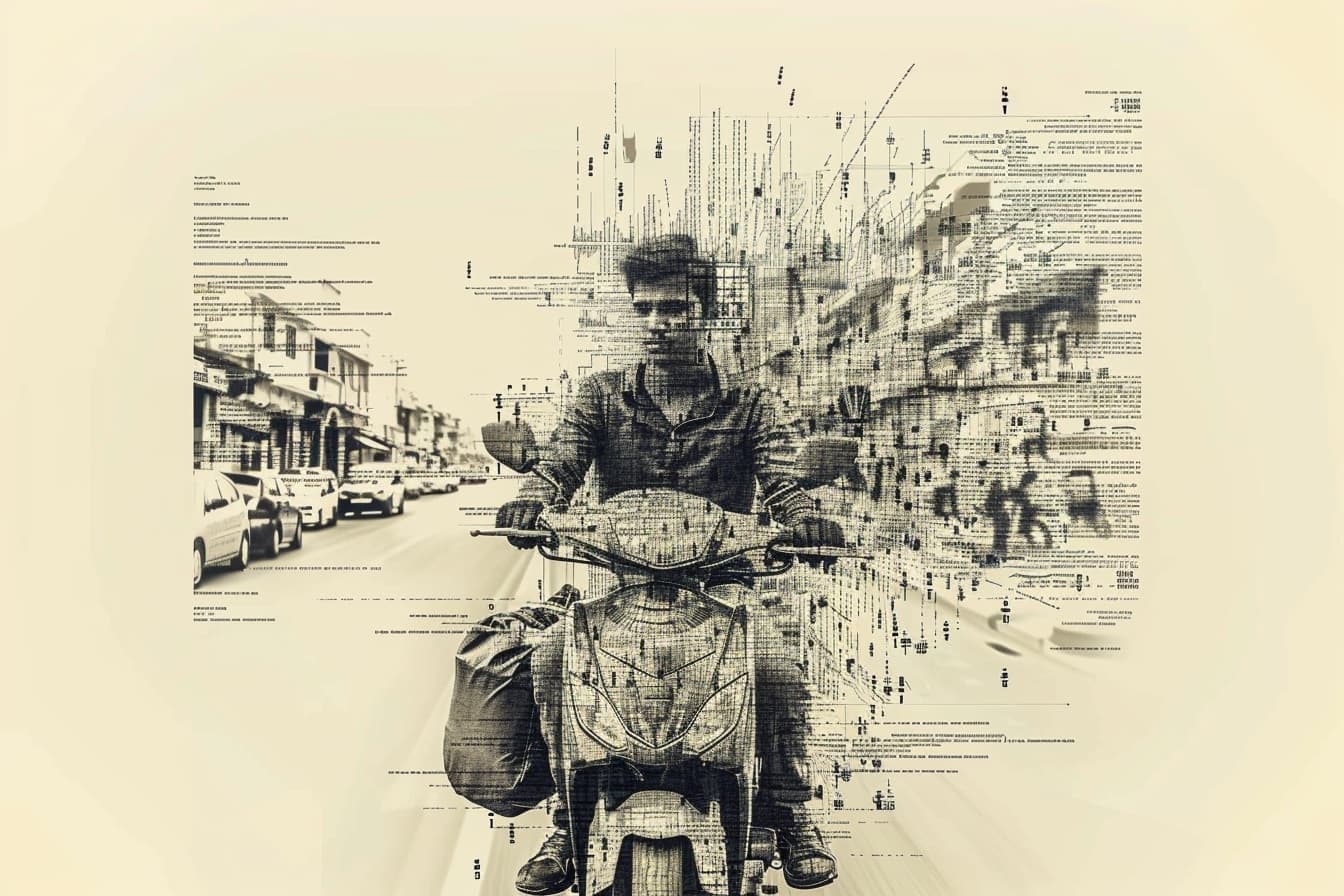
I just collected an order of cheese slices and butter at the front door. The delivery guy gets paid 30 Rupees per order. He is new to the delivery gig and manages about 14 orders a day on average, starts at 7 am, goes home for lunch and rest at 1 pm, then resumes from 4 pm working through till 10 pm. Which means he makes 420 a day or 35 an hour, which is 10,920 a month gross. But he pays for his own fuel. A bike doing city delivery — short distances, constant stopping, engine idling at every building gate — burns roughly 2.5 litres a day. At Pune's current petrol price of approximately ₹104 per litre, that is ₹260 walking out of his pocket before he counts a single rupee as income.
Net earnings after fuel: ₹160 for the day. ₹13.33 an hour. ₹4,160 for a 26-day month.
The national floor wage — the legal minimum no employer can pay below, mandated under the Code on Wages 2019 which came into full force in November 2025 — is ₹178 per day. He is earning ₹160 net. Below the legal minimum. Except the law does not apply to him because he is not classified as an employee. He is self-employed. He is, in the language of the PLFS, an own-account worker. He is, in the language of the platform, a delivery partner.
There are other delivery guys who make about 600 a day, net. They have figured out how to optimise — few of them are delivering for multiple platforms in a very small geographical area, 3 sq kilometres at most. They know that the ₹30 per order rate has been cut twice in the past two years. Used to be ₹45 at one point. The platform calls this dynamic pricing optimisation, they call it a business solution meant to improve society. From where I am sitting, the real innovation of such platforms is that almost the entire business risk has been transferred to the delivery boy. I guess that's why they call them 'partners'.
For the first 8 years of my working life, I worked in short-term jobs and took part-time gigs on the side. The gigs were varied: cook at outdoor catering, bartender at private parties, door-to-door sales person, playwright, painter, dance instructor, and whatever else showed up.
My very first encounter with a paid job was as a newspaper delivery boy at age 17. I was paid a flat stipend of ₹150 every month. I worked three months, 4 hours every day, delivered newspapers and tried to sell subscriptions — no commissions. In today's value, that would amount to about ₹1,800 for 30 days of half-days. After accounting for my daily bus fare both ways, I was left with the 'experience' of having worked.
My second encounter with a paid job was as a dish washer in a five-star hotel at the age of 18. For six hours of washing dishes, I got a fine meal and 50 bucks. I did that for a month — made 600 bucks working three evenings a week — which would be around ₹6,700 today.
My first contracted job, with appointment letter and all, paid ₹1,500 for 6 days a week, average 10 hours a day. That was ₹6.25 an hour. In today's value, ₹590 a day, ₹59 an hour. After those first three jobs I had figured out that I always made more money per hour in casual work than in a monthly salary job. The monthly salary job gives you stability and the guarantee of regular pay. What it takes in exchange is your time, at a rate it sets, for hours it decides. You find out quickly that the stability is theirs, not yours.
I was stuck with the 50 buck scale for quite a few months. There were opportunities in hotels that paid 100, 150, but I couldn't access them because I hadn't yet understood the networking dynamics. But I always took any job that came my way, whatever the pay, following my father's advice:
"Don't say no to any legal and honest work. No job is menial, only your thought makes it menial. Working is a habit, so do every work with sincerity and become good at it. You will never regret having skills."
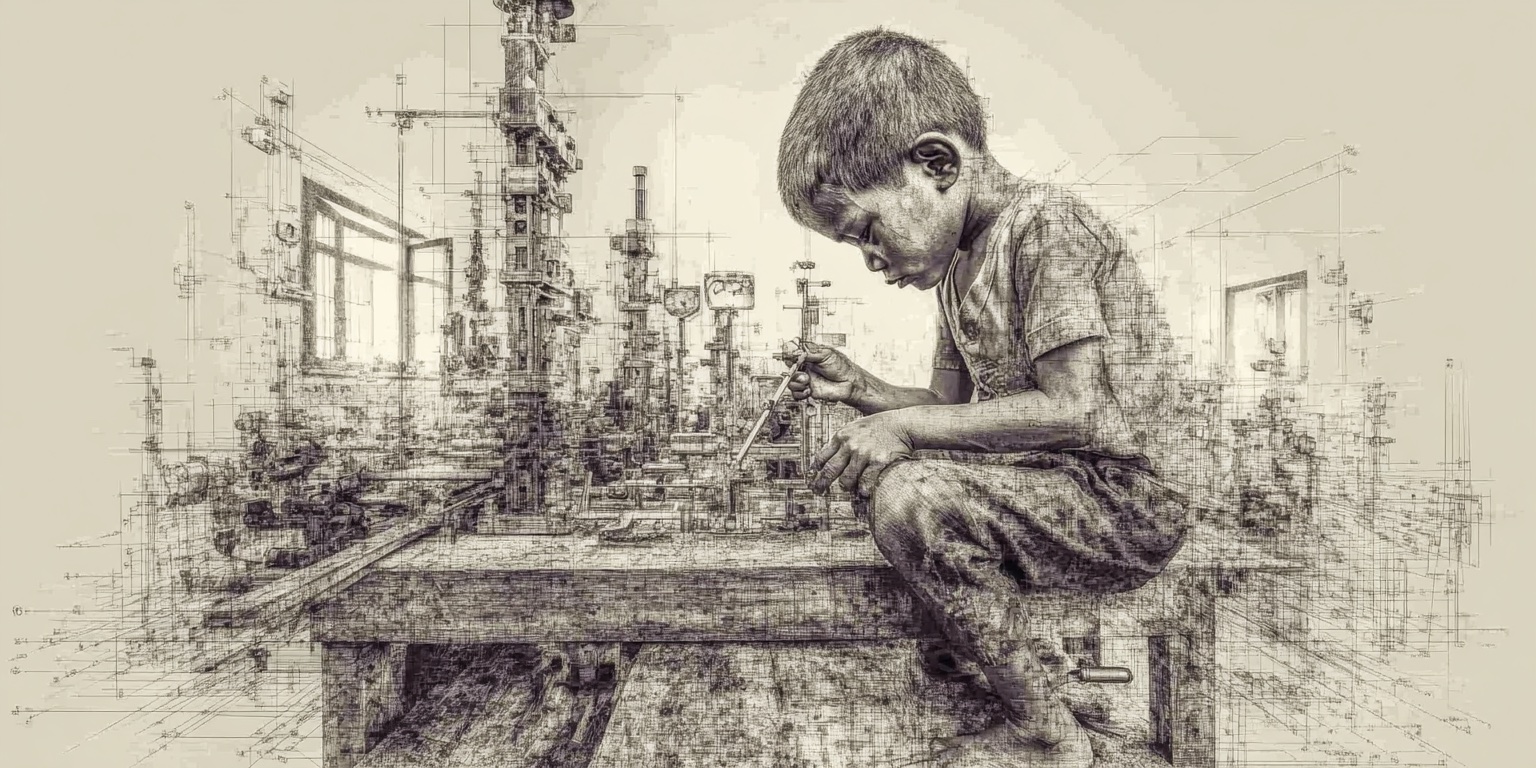
My father had grown up poor, but with a rock solid education imparted by his parents and elder brother and sisters. At 7 he was teaching English and Maths to younger kids for a few annas every month. At 10, when his father passed away, he started working at a factory that fabricated metal parts and manufactured engineering instruments. Children were employed — in spite of laws prohibiting child labour — since their smaller hands were apparently better at calibrating needles in metres. He was supposed to be paid ₹200 a month for 10 hours daily work, six days a week.
He was always paid ₹100.
He asked why. He fought for his rightful pay. The factory didn't remove him — he was too good and too productive for that — but they didn't pay him his due either. He voiced his dissent and the factory absorbed it and moved on. The family needed the income, so he stayed. That is a different kind of trap than not knowing you're in one.
That ₹100 would be around ₹20,000 in today's value — for 240 hours of work a month. ₹83 an hour. The current national floor wage is ₹178 per day. ₹22.25 an hour.
He had more purchasing power as a 10 year old factory worker than the average urban gig worker today.
Very few people employed in digital and white-collar industries talk to the boys and girls, men and women who work as delivery persons, security guards, cooks, maids, newspaper delivery persons, waiters, electricians, carpenters, plumbers, hostesses, retail counter sales staff, flight attendants, housekeeping staff — service personnel. It is because they don't relate to them. Even those who have come up the hard way in life tend to ignore them at best.
More than three quarters of a century from my father's start with work, the whole world is standing at the same precipice that millions in India stood at — but with a significant difference: human labour had value then.
I see investors and business people talking up new technology and new businesses but I don't see even one of them talk about how those new businesses are going to increase the purchasing power of an individual. The platform cuts the per-order rate from ₹45 to ₹30 and calls it dynamic pricing optimisation. Nobody calls it what it is.
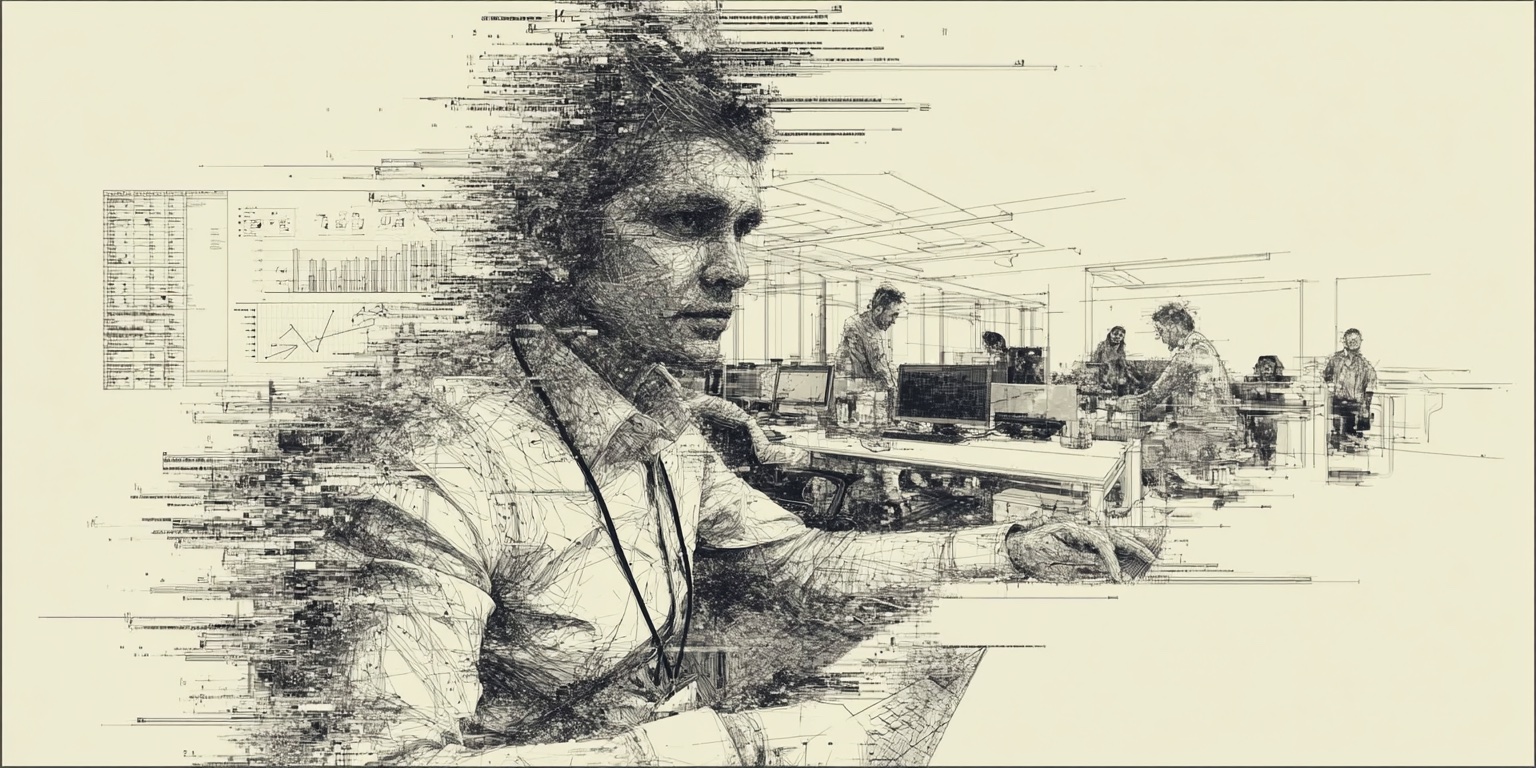
The white collar worker, the salaried middle class professional, is watching this from what they believe is a safe distance. They are not. The contract gets shorter. The notice period gets shorter. Gratuity laws are being interpreted to their minimum acceptable floors. People are being moved to contractor positions — direct or through agencies — which means no benefits, a middleman taking a cut, and no direct leverage with the company that actually controls your work. And now the roles themselves are disappearing. The delivery rider has no illusions about his powerlessness — it shows up in his pocket every single day. The middle class worker's powerlessness is arriving dressed in the language of performance management and restructuring and business priorities, which makes it harder to name and harder to fight. But it is the same transfer of risk, the same shedding of obligation, the same logic. The platform did it to the gig worker first and called them partners. The corporation is doing it to its employees now and calling it organisational agility.
The world is not transiting into a gig economy but is in a free fall into a survival economy. The gig economy was bad enough but had a transaction core. We are now in an economy where work itself is scarce and when available, the price point will be untenable.
The boy who delivered my cheese and butter this morning already knows this. He just doesn't have a word for it yet. The middle class will have plenty of words for it. That won't solve their problem either.