
Life, in about 1.5 Kilometres
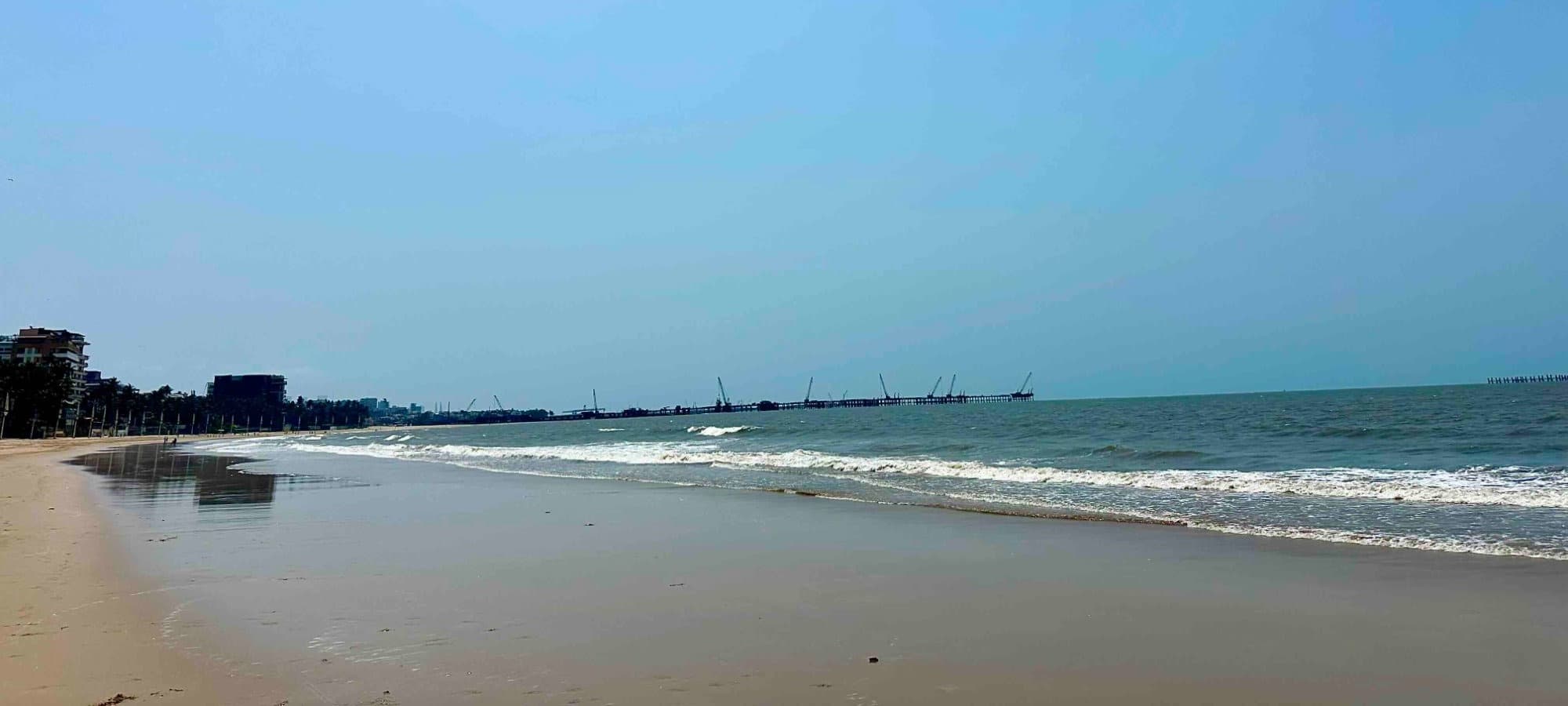
Juhu Beach, 30 March 2026. Crowded beach, they said.
Am back in Mumbai after quite a few months. By noon I was in Juhu for a couple of meetings. With twenty minutes before the first one, I did what I always do when I'm in the vicinity — walked the beach.
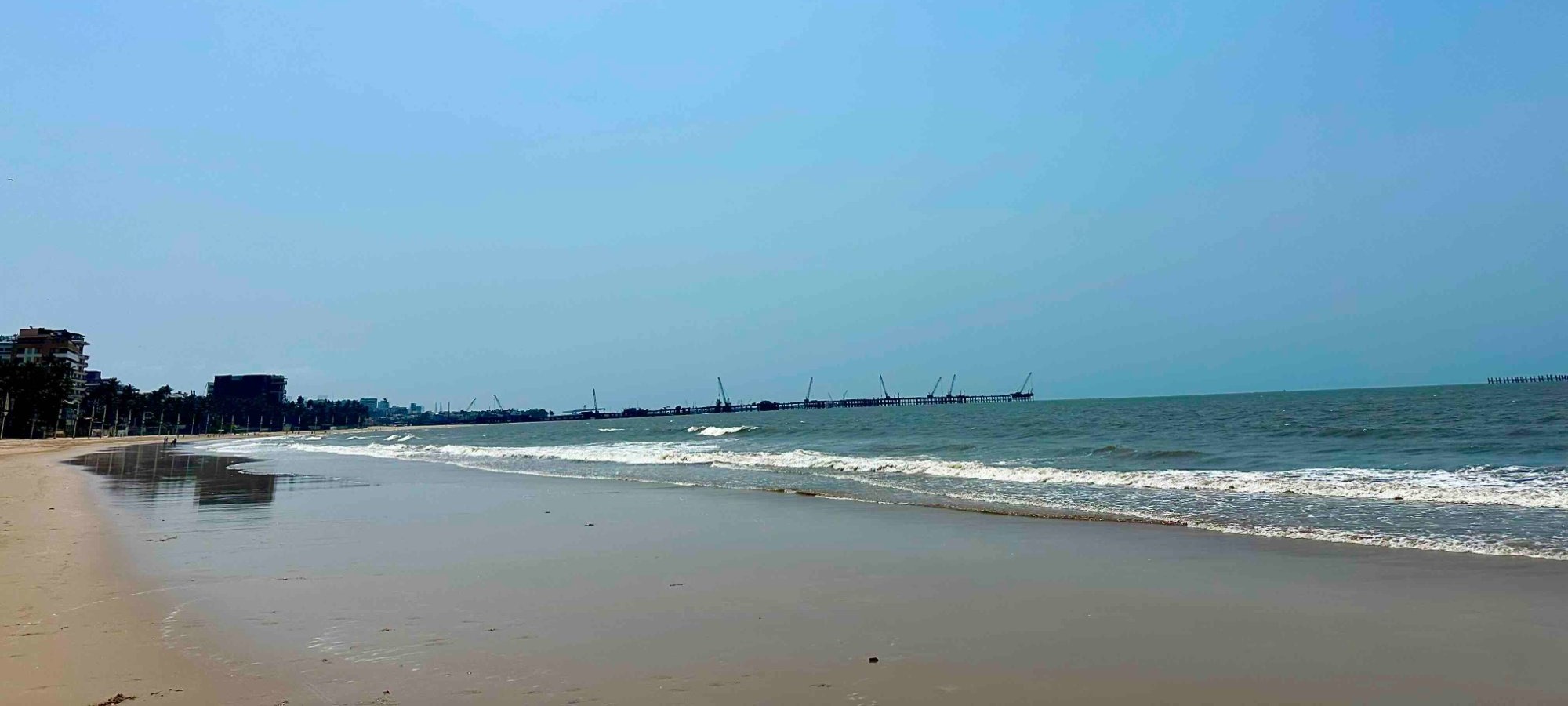
My friends and family don't understand why I keep coming back to Juhu beach. Any given day, it is teeming with people from all walks of life, noisy, messy with hawkers, often littered, and the water is more brownish-black muddy than blue-green picture postcard. But it's always been crowded, even on weekdays at high tide. In the late 1970s and early 1980s, I was one of those kids running, prancing, rolling on the sands. In the 1990s I was one of the young men walking with friends or a girlfriend, and then later the young worker on a break from a shift, stopping to take in the sea.
If I stand on the main beach and turn my back to the Arabian Sea, I would be looking in the direction of Juhu Airport, where Cambata Aviation used to be. A little airfield where private planes and Pawan Hans helicopters ferried oil and gas professionals out to the high-sea rigs. Fly straight over that airfield and you'd reach SV Road in Santa Cruz. Cross SV Road at that point and you'd be in LIC's Jeevan Shanti Housing Colony — where I lived for twenty years.
Turn left from the main beach and you can see the Ramada Inn Plaza — Ramada Inn Palmgrove in an earlier life — a five-star where I trained in butchery for three straight months, working twelve-hour shifts, to my absolute delight.
Opposite the hotel, in a row of shops, used to be Ice Cream Express — one of seven parlours under my charge a few years after the Ramada stint. I'd arrive around two in the afternoon and stay till six, training staff, serving customers, planning rosters, watching people.
From the Ramada, continuing toward Juhu bus depot, I used to reach Juhu Centaur — now Lodha Avalon — another five-star where I worked many evenings as a banquet waiter, including the Filmfare Awards, where I served drinks to the glamorous film stars of the era. That is where I understood what it means to be faceless, unseen — like the entirety of the service industry, even today.
On the opposite side of the road stands St Joseph's High School, where I studied for seven years. Prithvi Theatre is a skip away. From school I always walked the five minutes to the nearest beach access point, near what is now the Novotel.
Past the school's church, past the bus depot and the meat and vegetable markets, stood the second Juhu parlour under my charge — right next to the established, iconic Natural's. I was there from eleven in the morning till one-thirty, working with staff, trying everything we could to get just ten customers a day. There were days when we had no customers, not even one. Eventually we started selling dosas and delivering ice creams to the neighbourhood, just to get it rolling, and then fighting to hit daily break even. Electricity was a constant problem. I spent many days running maintenance on softy machines and other equipment. This was the parlour where I learned what margins actually mean when your stock melts.
Past Natural's, straight ahead, turn right — and at the corner stands Prateeksha, the Bachchan bungalow. Amitabh and Jaya's. People used to line up just to catch a glimpse.
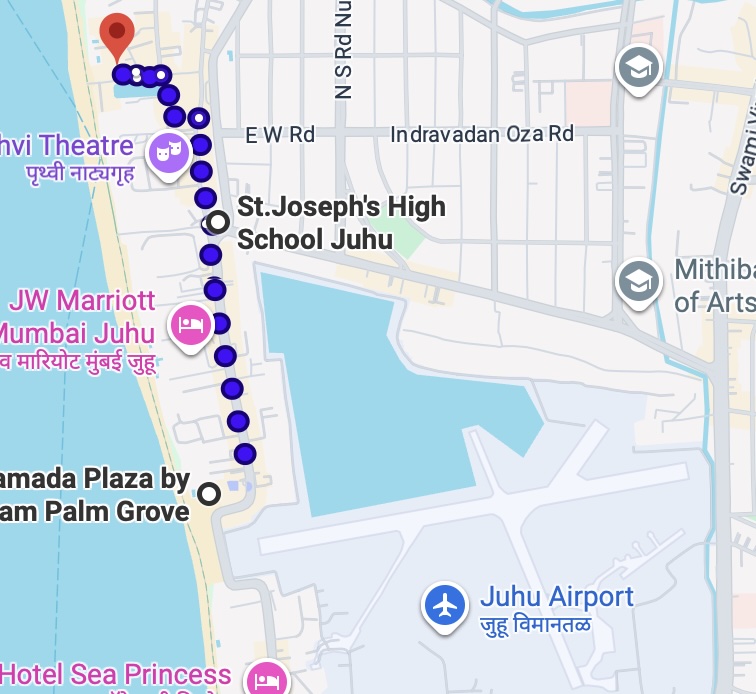
Ramada to the school is about a kilometre, 10–15 minutes on foot. Extend to the Bachchan bungalow, add another half kilometre and 10 minutes. In that kilometre and a half, I spent the better part of my daily life for ten of the twenty years I lived in Mumbai.
In the twenty minutes I walked the beach today — listening to the sea, feeling the breeze — my mind took exactly this journey. Same sequence. Same landmarks surfacing in no particular order. I was just showing up, every day, in the same small geography — and the education was relentless.
I still see myself in the people on that beach. At every age. The kids, the couples, the workers catching thirty minutes of breeze before heading back, my parents in the parents who come with their kids, my cousins in the visitors from out of town. For many of them — like it was for my family — this beach is the only free thing in the city. No entry fee, no minimum order, no dress code. From that same strata come many of the service professionals I would later work alongside, train, and manage. Some went on to become middle-class, white-collared. Like me. I never forget where I come from, because values are not universal, and they are shaped by our circumstances.
I keep coming back to Juhu beach like a homing pigeon on every Mumbai visit, without planning to. The beach pulls me back like I owe it something. Maybe I do.
Juhu Beach is crowded most days. But if you want to and are willing to walk for it, you will find a stretch that is just yours.
Pretty much like life any where.