
Learning Is a Social Responsibility: Are We Quite There?
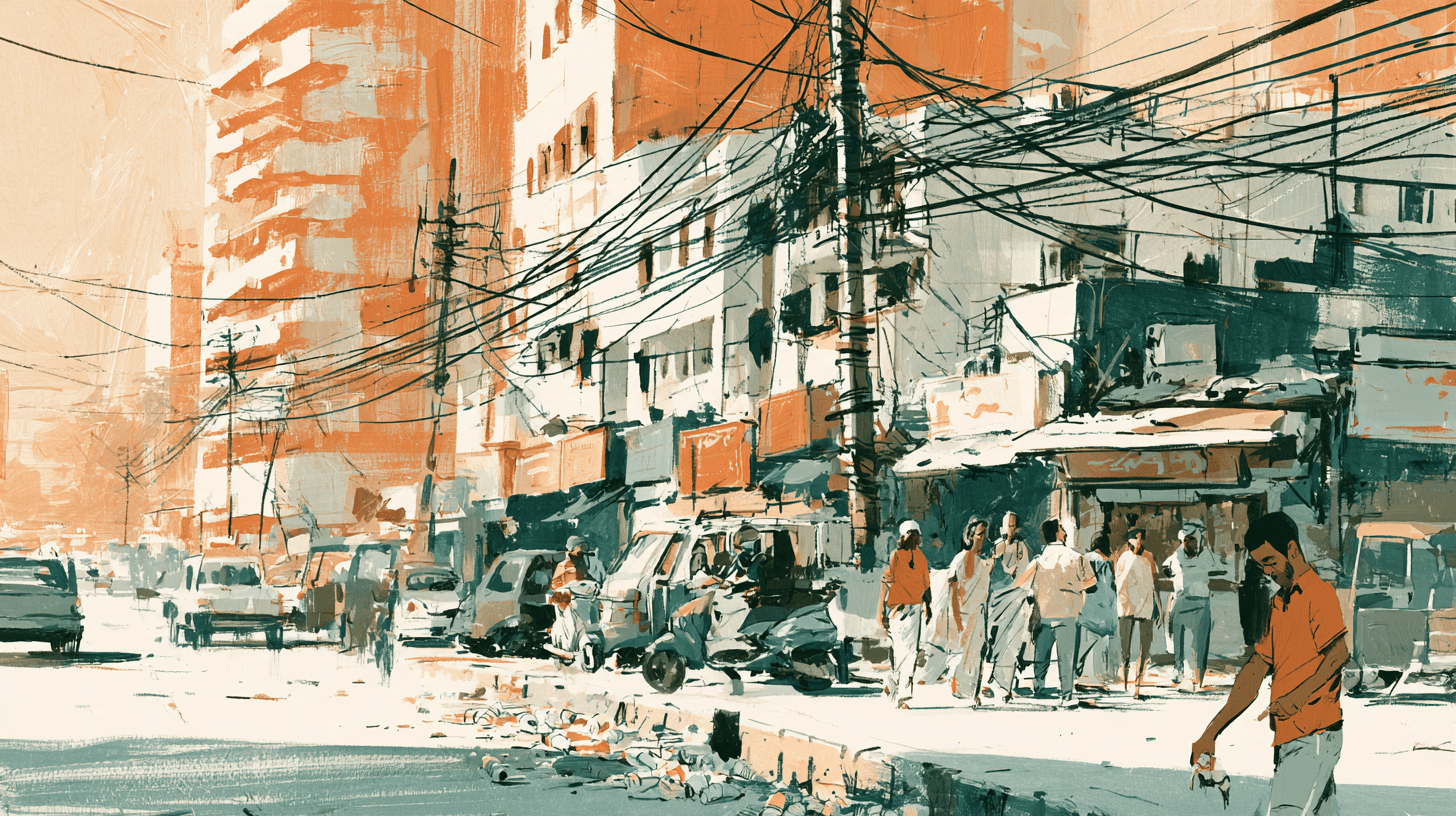
Illustration generated in collaboration with MidJourney.
Economics teaches us micro and macro. In my view, learning can similarly be seen through two lenses:
Micro-learning: How an individual improves skills, knowledge, and productivity. Macro-learning: How an entire society learns behaviours, values, etiquette, and civic responsibility.
The way I see it, the difference between developed and developing societies is often not intelligence, talent, or wealth. It is frequently the presence of shared social habits that millions of people follow without being forced to.
Take Japan, Singapore, or parts of Northern Europe. This is the impression many of us hold of them:
- People queue patiently.
- Public spaces are kept clean.
- Pedestrians follow rules.
- Citizens think about collective convenience, not just personal convenience.
- In emergencies, order prevails over panic.
In my view, these behaviours are not genetic. They are learned collectively over decades through schools, families, media, social norms, and consistent enforcement.
India's Challenge
I believe India faces a unique challenge because of its scale. When more than 1.4 billion people compete daily for roads, trains, jobs, public services, and limited urban spaces, a "survival mindset" often develops.
This is why we sometimes observe:
- Jumping queues.
- Aggressive driving.
- Lack of road courtesy.
- Improper use of public facilities.
- Indifference to civic responsibilities.
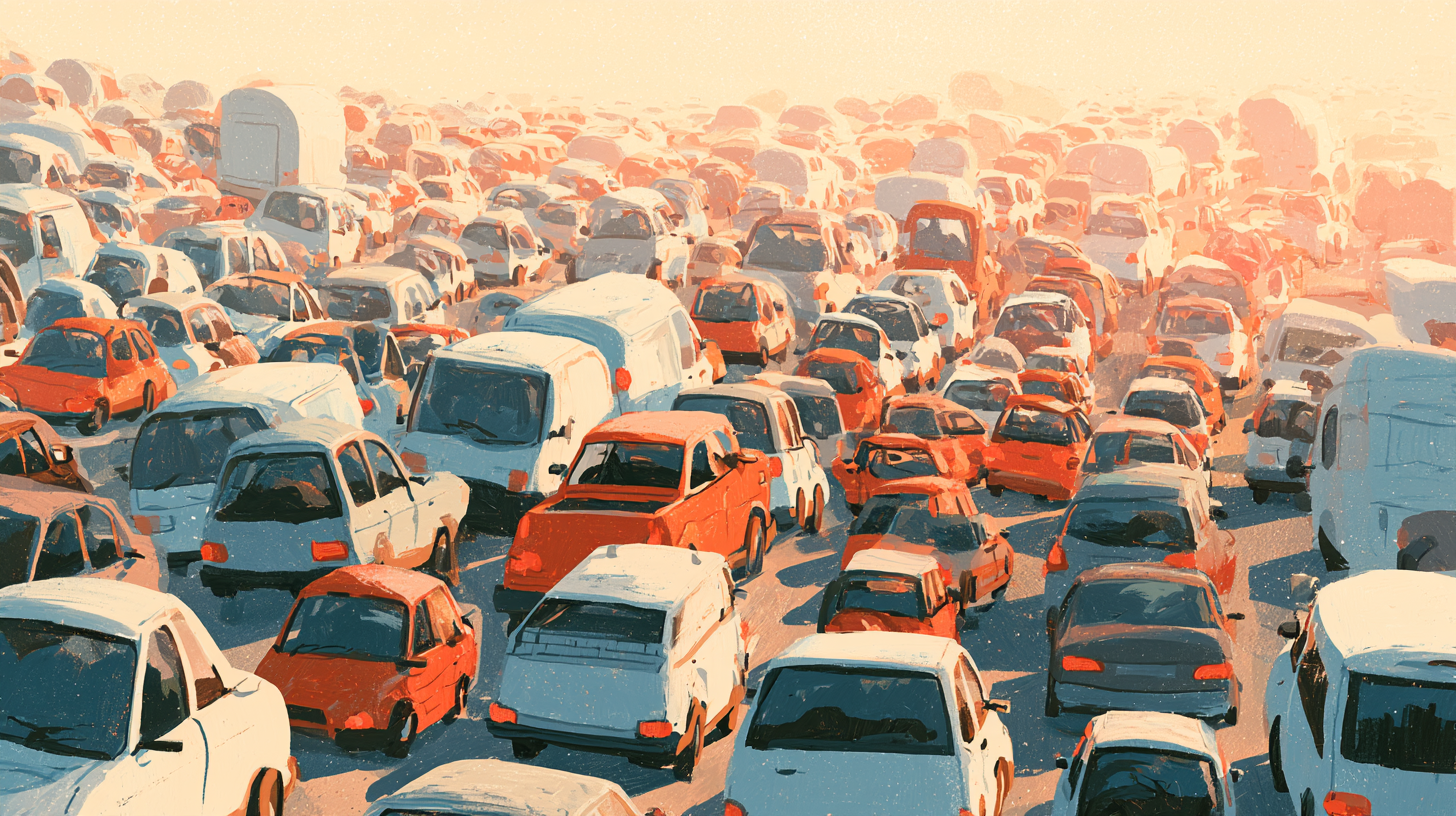
Illustration generated in collaboration with MidJourney.
The problem is not that Indians lack values. In my experience, individually Indians are often extremely generous, family-oriented, and hospitable.
The issue is that our social behaviour changes when we move from private spaces to public spaces. We behave differently at home than we do on roads, railway stations, airports, and public toilets.
Why Rules Alone Don't Work
Governments can build:
- Roads
- Metros
- Airports
- Public toilets
But they cannot station a police officer behind every citizen.
In my view, a developed nation is ultimately not one with better infrastructure; it is one where people voluntarily respect shared infrastructure.
What India Needs: A National Civic Learning Movement
I believe that, just as we teach mathematics and science, we should systematically teach:
Road Etiquette
- Lane discipline
- Giving way to ambulances
- Respecting pedestrians
- Avoiding unnecessary honking
Public Transport Etiquette
- Letting passengers exit before entering
- Offering seats to elderly and disabled passengers
- Maintaining queue discipline
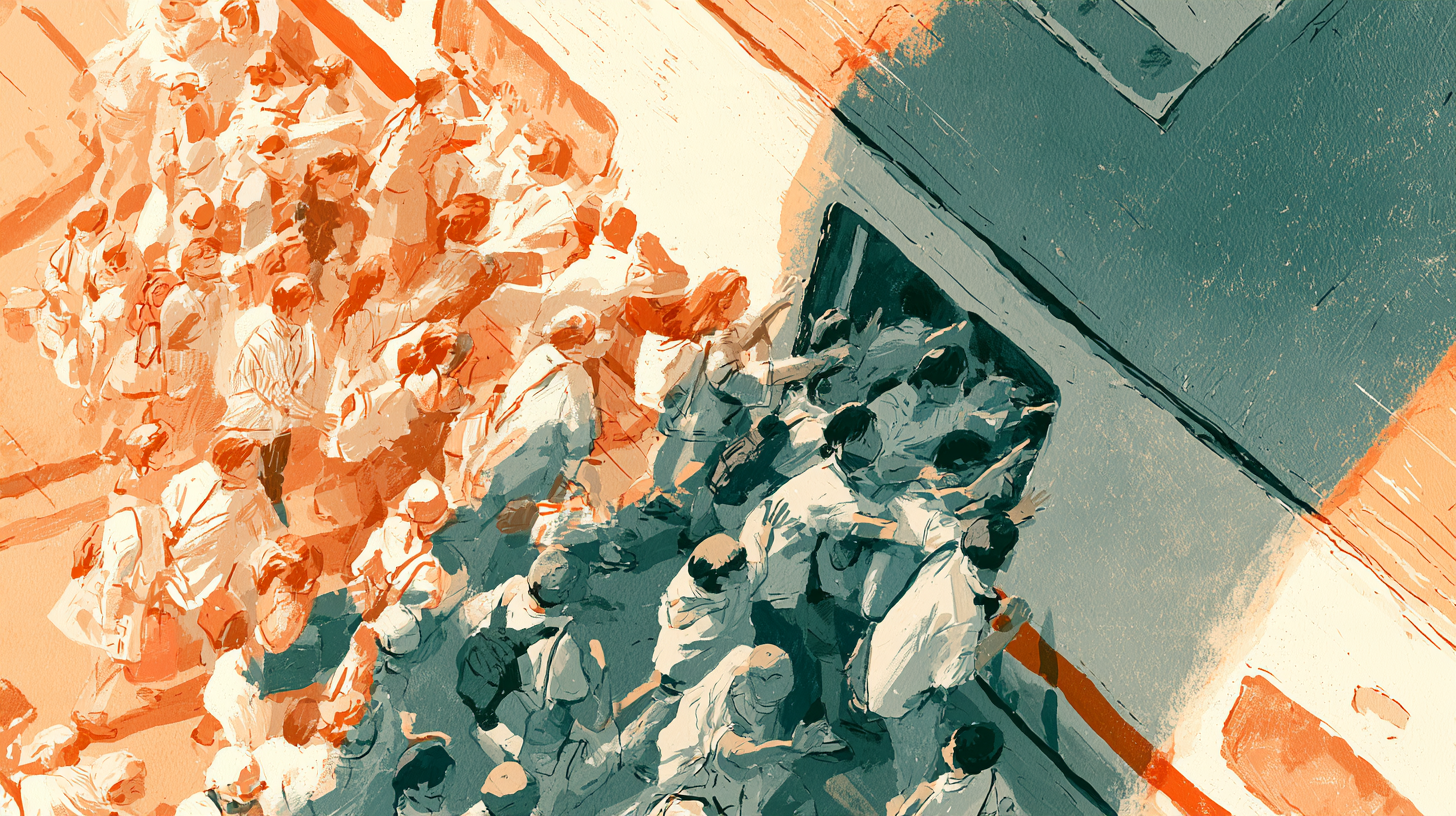
Illustration generated in collaboration with MidJourney.
Public Space Behaviour
- Managing litter
- Controlling noise
- Respecting common property
Digital Citizenship
- Using social media responsibly
- Communicating respectfully online
- Fact-checking before sharing
Public Hygiene
- Using toilets properly
- Keeping trains and buses clean
- Segregating waste
The Role of Influencers
Influencers today reach more people than many textbooks. India has around 500 million social media users, according to the 2026 FICCI-EY Media and Entertainment report. By comparison, NCERT, the national textbook body, has said it will print 15 crore (150 million) textbooks for the 2025-26 session, triple its earlier output.
Imagine if:
- Cricket stars promoted road etiquette.
- Movie actors demonstrated metro etiquette.
- Travel influencers taught airport and railway behaviour.
- Social media creators made civic responsibility fashionable.
I believe a 30-second reel watched by 50 million people could create more behavioural change than a government circular.
The Real Goal of Viksit Bharat
When people talk about Viksit Bharat, the government's goal of a developed India by 2047, I observe that the discussion often revolves around:
- GDP
- Infrastructure
- Technology
- Manufacturing
But in my view, true development should also include:
"How do citizens treat strangers?"
I believe a society becomes developed when:
- People stop at zebra crossings without police presence.
- They help accident victims.
- They maintain cleanliness because it is the right thing to do.
- They think, "How does my action affect others?"
A Possible Mission
India perhaps needs a movement called:
"Civic Bharat" or "Public Etiquette for 1.4 Billion Citizens."
Its message would be simple:
"Good citizenship is not an individual virtue. It is a national asset."
If hundreds of influencers, schools, corporations, transport operators, airports, railways, and digital platforms promoted one civic habit every week, the cumulative impact over a decade could be transformational.
Because nations are not built only through policies and projects. They are built through the everyday behaviour of ordinary citizens towards one another.
Sources
- United Nations Department of Economic and Social Affairs, Population Division. World Population Prospects 2024. Estimates India's 2024 population at 1.45 billion.
- Press Information Bureau, Government of India. New India Samachar, 16–31 August 2024, p. 27–28. Reports the NITI Aayog Governing Council discussion of the Viksit Bharat @2047 vision.
- FICCI and EY India. Stories, scale and impact: Unlocking India's media and entertainment economy, March 2026. Reports around 500 million social media users in India in 2025.
- Ministry of Education, Government of India. PIB release, 7 October 2024. Education Minister Dharmendra Pradhan states NCERT will publish 15 crore books for 2025-26.
(Shashikant Jugran is a specialist in business process reengineering, an orator, mentor, and travel industry leader with three decades of experience. A multi-disciplinary professional, Shashikant is a civil engineer who transitioned into management through an MBA in Marketing with a Minor in Human Resources. His illustrious career has spanned leadership roles in Amadeus, Bird Group, RezNext, Yatra, and he currently serves as the Chief Operating Officer at BirdRes Technologies Private Limited, based in Gurgaon.)