
Gen Z Trends: Yearning for Analogue in the Digital Age
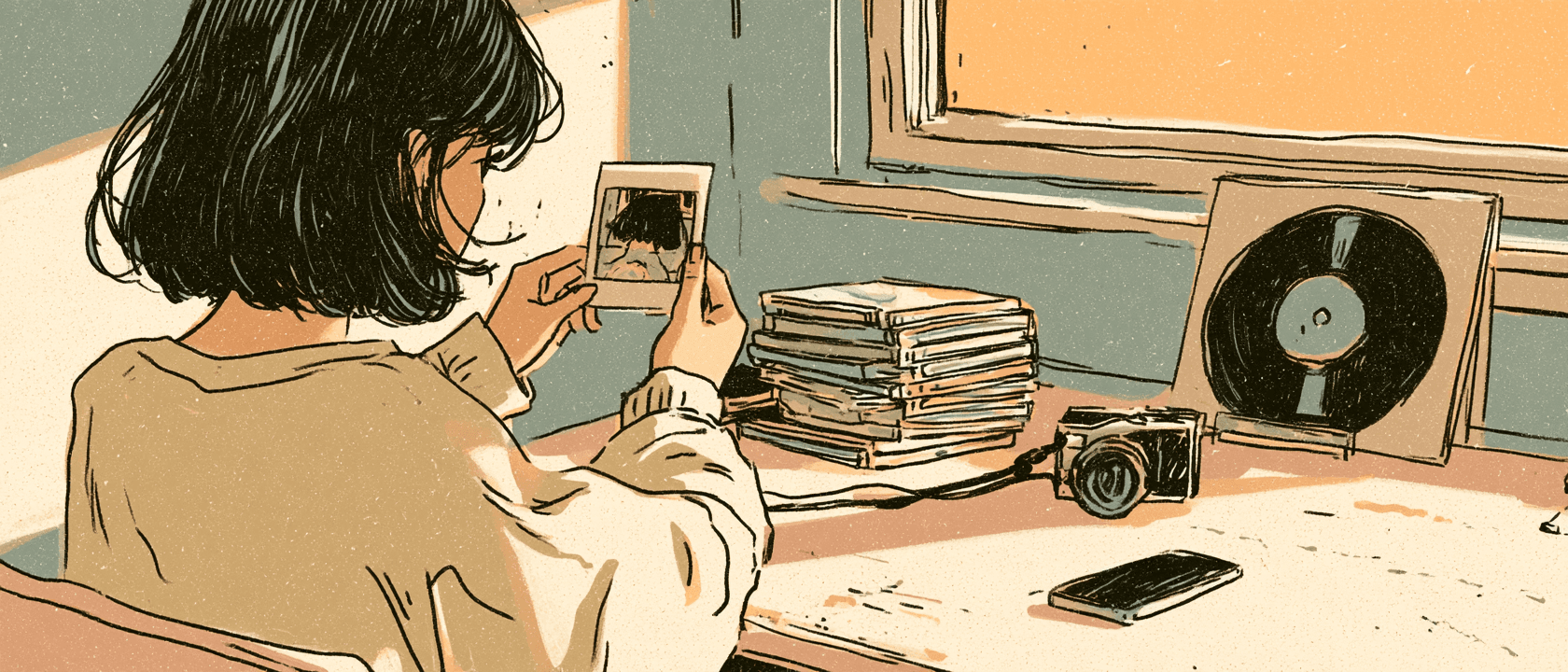
Illustration for Gen Z Trends: Yearning for Analogue in the Digital Age.
I own a small Polaroid camera. Now, this little trinket has become a great source of passive income for me because people nowadays (especially my generation) have developed a strong desire for Polaroids, DVDs and physical media as a whole. In an age dominated by streaming platforms, cloud storage and digital photography, it may seem surprising that many people are returning to physical media such as Polaroid photos, DVDs, vinyl records and film cameras. While digital technology offers convenience and instant access, physical media provides experiences that make people feel as if they have returned to a safer and more secure time. This revival reflects a desire for authenticity, nostalgia, ownership and meaningful human connection, which is somewhat rare in this era of digital intimacy. My observation has led me to a few reasons for this new phenomenon.
Tangible memories are one of the main reasons. Digital photos often remain buried in smartphone galleries, forgotten among thousands of other images. On the other hand, a Polaroid photograph exists as a physical object that can be held, displayed and shared. The unique imperfections and instant development process make each photograph feel special and personal. Many young people appreciate the idea of having a memory they can physically touch rather than simply scrolling through a screen. Another benefit is that it gives users a stronger sense of ownership. When someone purchases a DVD, book or printed photograph, they truly own that item, unlike digital content which may disappear after subscriptions expire.
Another factor is digital fatigue. We (Gen Z) have grown up on the cusp of technological advancement, i.e., surrounded by smartphones, social media and constant online connectivity. As the first generation to grow up in an almost entirely digital age, many are seeking ways to disconnect from the digital world and enjoy more intentional experiences. Watching a DVD or taking photos with a Polaroid camera requires patience and presence. Nostalgia also plays an important role in this trend. Although many members of Gen Z did not fully experience the peak popularity of DVDs or instant cameras, they often associate these items with childhood memories and simpler times. The recent trends of retro aesthetics have further strengthened their desires to return to the Y2K era. Physical media offers a sense of nostalgia and uniqueness that digital alternatives often lack. Young people enjoy embracing styles and technologies from previous decades as a way of expressing individuality.
A rather debated aspect is ownership. Streaming services allow access to content, but users do not truly own what they watch or listen to. The same applies to movies and TV shows, which can disappear from platforms at any given moment. A strong offender is Netflix, which often removes shows or movies from its platform. Add the rising cost of living expenses atop this, and the expensive subscriptions don't seem appealing enough. People would much rather pay the same amount to get physical copies that they are sure they own, a sense of ownership and autonomy that streaming services cannot offer. Physical media also allows sharing, collecting and displaying interests as part of one's identity. This further inculcates the sense of authentic and shared connections with others, encouraging stronger social and personal connections. You can reminisce with your family face-to-face or watch a DVD during a family holiday. An old tradition in my home, for example, was to watch the Home Alone movies during Christmas and it is still one of my fondest childhood memories.
In conclusion, the resurgence of physical media reflects a deeper yearning to return to “safer” times, where we were more connected and more authentic, and had genuine human connection with others. These experiences serve as an anchor to nostalgia, especially as technology continues to advance and creates more uncertainty. In fact, I myself bought my Polaroid camera (and even repaired my father’s Kodak 2004 digicam) for this very reason. The imperfections and uniqueness these cameras provide give me a greater sense of security and nostalgia while also being good conversation starters.
Mrinmoyee Roy is pursuing her Bachelor's in Media and Communications at Symbiosis Centre of Media and Communication. Formally trained in Art, Taekwondo and Kathak, Mrinmoyee has also worked on several projects as an illustrator, graphic designer and production assistant. With a strong passion for creative endeavours, an entrepreneurial bent of mind and deeply intertwined with the humanities, she wishes to incorporate all of these aspects of her life into her work.
Editor Note: Illustrations have been generated in collaboration with MidJourney.