
The Century of Oil May Be Ending: Indian Railways Is Now 99.6% Electric
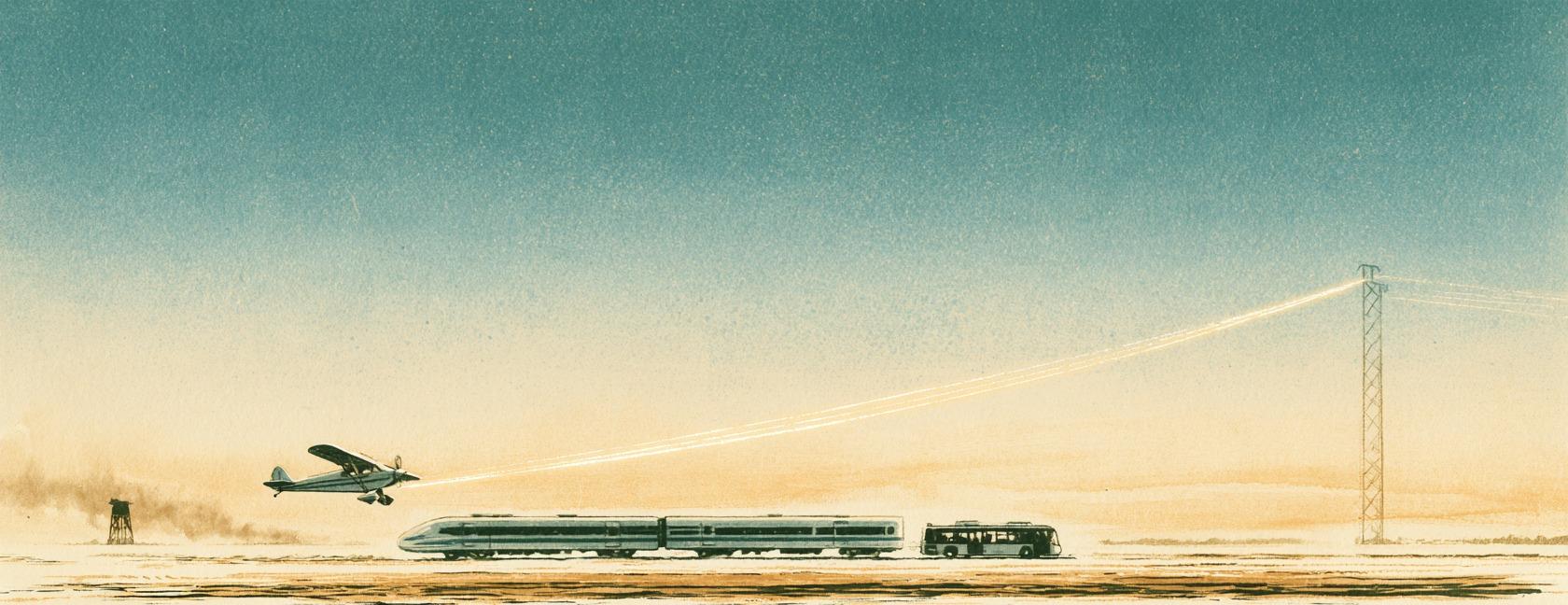
Transport is disconnecting from oil and reconnecting to electricity. Illustration created with Midjourney.
China has certified a passenger aircraft that runs fully on electricity. Indian Railways has electrified 99.6% of its broad-gauge network. More than seven in ten of Delhi's public buses are now electric.
For over a century, the world has been powered by oil. Nations built their economies, transportation systems, and geopolitical influence around access to fossil fuels. Cars, buses, trains, ships, and aircraft all depended on petroleum products, making energy security synonymous with oil security.
Today, however, we are witnessing the early stages of a transformation that could be as profound as the Industrial Revolution itself. Around the world, transportation is steadily disconnecting from oil and reconnecting to electricity.
Recent developments from China and India illustrate just how rapidly this shift is accelerating.
In January 2025, China's civil aviation regulator announced the type certification of the RX4E, a fully electric passenger aircraft capable of carrying four people. Its marketing partner, Volar Air Mobility, is now promoting it for commercial use. While it may not yet replace commercial airliners, it demonstrates that even aviation, one of the hardest sectors to decarbonize, is moving toward an electric future. The aircraft has a maximum flight time of about 1.5 hours and represents a significant milestone in sustainable aviation.
Meanwhile, India's railway transformation has quietly become one of the world's greatest infrastructure success stories. Indian Railways has electrified nearly its entire broad-gauge network, reaching about 99.6% electrification. This achievement places India among the most extensively electrified large railway systems globally.
The electrification story is not limited to railways. On the roads of Delhi, electric mobility is increasingly becoming mainstream. Electric vehicles account for a growing percentage of new vehicle registrations, while city authorities continue to promote adoption through progressive policies and incentives. The capital city is also rapidly adding electric buses to public transport fleets, creating a cleaner and quieter urban mobility ecosystem.
Is the world entering the Age of Electrified Mobility? The real story is not about electric cars, buses, trains, or planes.
The real story is that transportation, which has historically relied on liquid fuels, is beginning to run directly on electricity.
As a Gurugram resident who frequently drives to Delhi, I experienced firsthand the regulatory challenges associated with conventional vehicles. My one-year-old Fronx was once stopped at the Delhi border because the pollution certificate had lapsed by just three days. The officer was kind enough to let me go with a warning.
The real shock came later, when I was preparing to sell the vehicle and discovered pending traffic challans worth nearly ₹10,000. Between fuel expenses, pollution compliance, and penalties, I realized that the future belonged elsewhere. That experience convinced me to bid farewell to internal combustion engines and switch to an electric vehicle, a decision I have not regretted since.
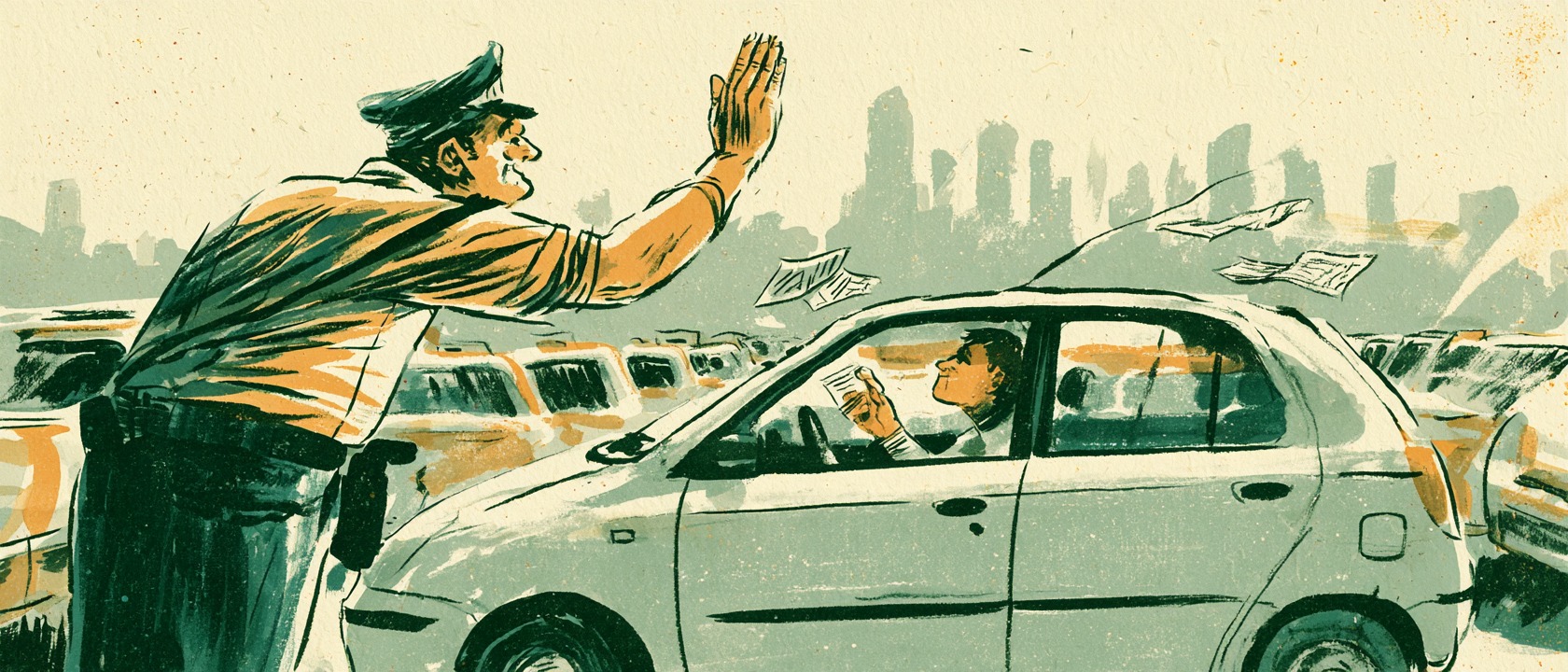
The pollution certificate had lapsed by three days. Illustration created with Midjourney.
This Changes Everything
Countries that can produce large amounts of affordable and clean electricity will enjoy lower transportation costs, improved air quality, reduced fuel imports, and greater strategic independence.
India imports a substantial portion of its crude oil requirements every year. These imports create significant pressure on foreign exchange reserves and expose the economy to global oil price volatility.
Every train that runs on electricity, every electric bus added to a city's fleet, and every EV sold reduces India's dependence on imported fuel.
The benefits extend far beyond economics.
Urban centres such as Delhi, Mumbai, Bengaluru, Kolkata, and Chennai face serious air quality challenges.
Replacing internal combustion engines with electric mobility can reduce local emissions, improve public health, and lower healthcare costs associated with pollution-related illnesses.
Energy Security
Electricity can be generated from multiple sources, including solar, wind, hydro, nuclear, and biomass energy.
Unlike oil, much of this energy can be produced domestically, reducing external dependencies and improving long-term energy resilience.
Economic Opportunity
The electrification revolution is creating entirely new industries:
- Battery manufacturing
- Charging infrastructure
- Power electronics
- Energy storage systems
- Smart-grid technologies
- Electric aviation
- Hydrogen and alternative fuels
- Battery recycling plants
Countries that move early stand to capture significant investment, create high-skilled employment, and build globally competitive industries.
The Next Great Challenge: Power Generation
While much attention is focused on electric vehicles, the bigger challenge lies elsewhere.
Where will all the electricity come from?
Millions of electric cars, buses, trains, trucks, and eventually aircraft will require enormous amounts of additional energy.
In many ways, the next global race is not about manufacturing vehicles.
It is about producing abundant, clean, and affordable electricity.
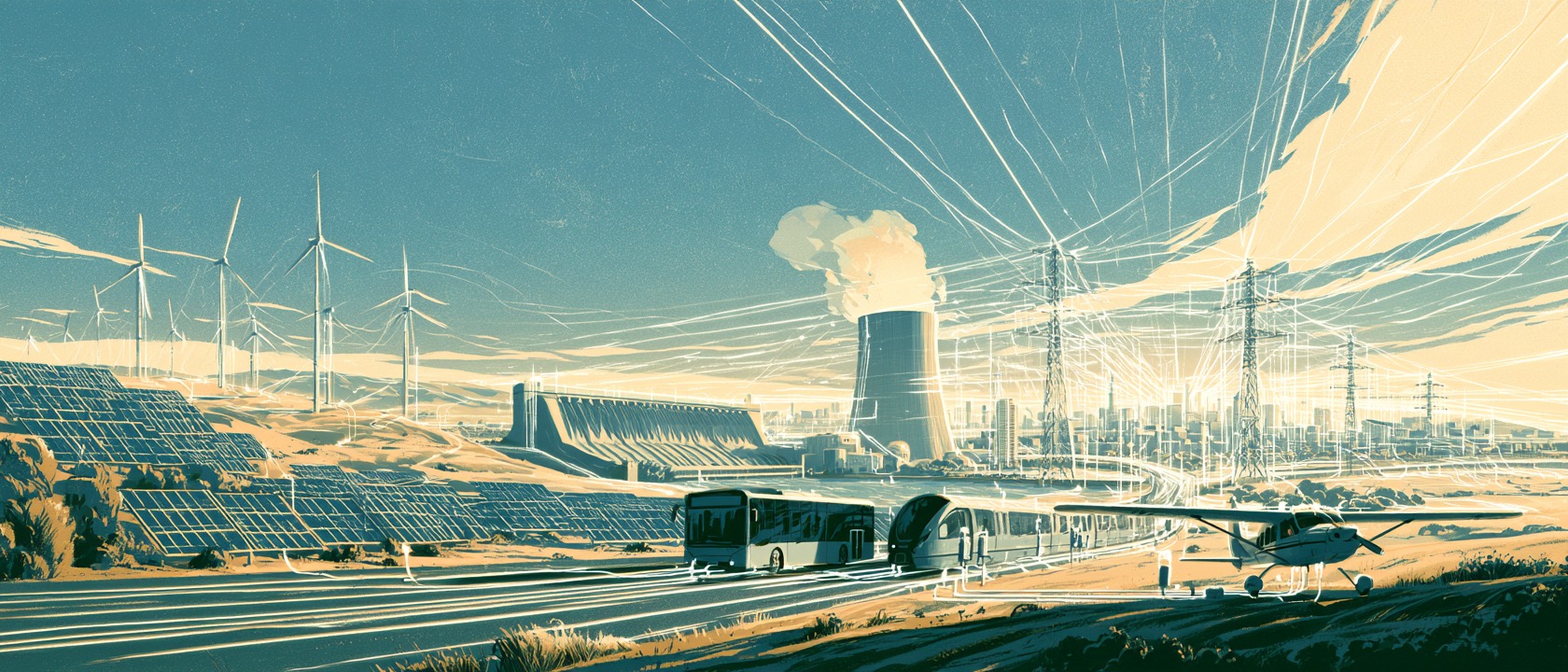
Where will all the electricity come from? Illustration created with Midjourney.
The nations that master this challenge will shape the economic landscape of the twenty-first century.
While environmental sustainability is undoubtedly important, the transition to electric mobility is increasingly becoming an economic and strategic necessity.
Lower operating costs, reduced oil dependence, better public health, enhanced energy security, and new industrial opportunities together create a compelling business case.
This is no longer merely an environmental movement.
It is an economic transformation.
The signs are everywhere.
China is testing the future of electric aviation. India has nearly completed one of the world's largest railway electrification programs. Cities like Delhi are rapidly increasing EV adoption and electrifying public transportation.
Just as the twentieth century was defined by oil-powered mobility, the twenty-first century may well be defined by electric mobility.
Sources
- Civil Aviation Administration of China, type certification of the RX4E, as reported by Xinhua: China's home-grown small electric aircraft secures 1st type certificate, 2 January 2025
- Volar Air Mobility, RX4E marketing partner: company page
- Ministry of Railways, Press Information Bureau: India Emerges as Global Leader in Railway Electrification with 99.6% Broad Gauge Network Electrified, 22 July 2026
- Planning Department, Government of NCT of Delhi: Economic Survey of Delhi 2025-26, March 2026 (bus fleet of 6,100, of which 2,750 and 1,588 are electric)
- Ministry of Road Transport and Highways: Vahan dashboard, vehicle registrations by fuel type
- Ministry of Petroleum and Natural Gas, Press Information Bureau: Government takes multiple steps to safeguard citizens from impact of global crude oil price fluctuations, 21 August 2025
(Shashikant Jugran is a specialist in business process reengineering, an orator, mentor, and travel industry leader with three decades of experience. A multi-disciplinary professional, Shashikant is a civil engineer who transitioned into management through an MBA in Marketing with a Minor in Human Resources. His illustrious career has spanned leadership roles in Amadeus, Bird Group, RezNext, Yatra, and he currently serves as the Chief Operating Officer at BirdRes Technologies Private Limited, based in Gurgaon.)