
A Jailhouse Welcome: My Days in Fremantle
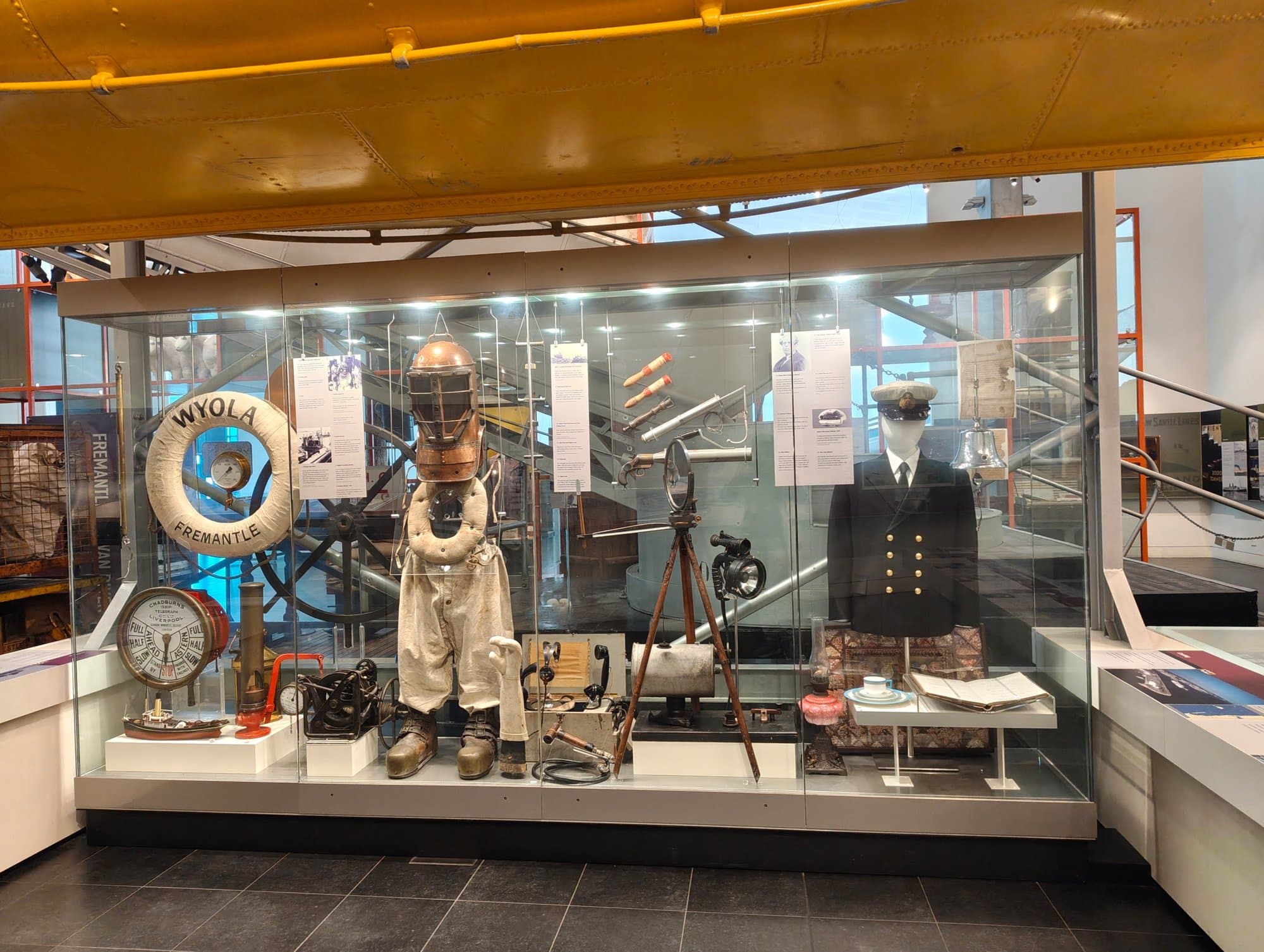
Maritime relics at the Western Australian Maritime Museum, Fremantle. Photo: Anindya Sanyal.
Last year (2025) I travelled to Perth for the "It's About Time" conference, and I expected a conference hall and little else. Fremantle had other plans.
The conference, jointly organised by the Australian Archaeological Association (AAA) and the Australasian Institute of Maritime Archaeology (AIMA), was at the Esplanade Hotel, where I was due to present on Moksha Tourism at the burning ghats of Varanasi. It is a strange thing to carry that subject halfway across the world: the ghats of the Ganga, the pyres that burn day and night, and the belief that to die in Kashi is to be freed from the cycle of rebirth. Nerves come with any presentation, and mine came with an extra weight of reverence. But after a little walk around the city, I found sandstone buildings, sea breezes, and a town that really helped me settle.
Between sessions, I started asking about Fremantle's history, and that's where I got my biggest laugh. The town was settled in 1829 as part of the Swan River Colony, and the first substantial building the settlers put up was not a church, a school or a market. It was a JAIL. The Round House, finished in 1831, is the oldest public building in Western Australia, and it was built to lock people up. I stood in front of it grinning like a child. Imagine arriving in a brand-new land, full of hope, and deciding the first thing you need is a place for those who misbehave. Nothing says "fresh start" like a lockup with a sea view.
The joke soon turned into a deeper understanding. Convicts later built the much larger Fremantle Prison, now a UNESCO World Heritage site. Walking those grounds, I thought about the thousands of lives that passed through, and how easily a place is defined by its hardest chapters.
The museums moved me even more, especially the Shipwreck Galleries. I am quite fascinated by museums. Standing among old timbers and relics, I kept thinking of the people on board: sailors, merchants, families, all with plans for the next week and the next year. Having just spoken about how India meets death, I found it strange and moving to stand before how another culture remembers its dead and lost. Different shores but the same human questions.
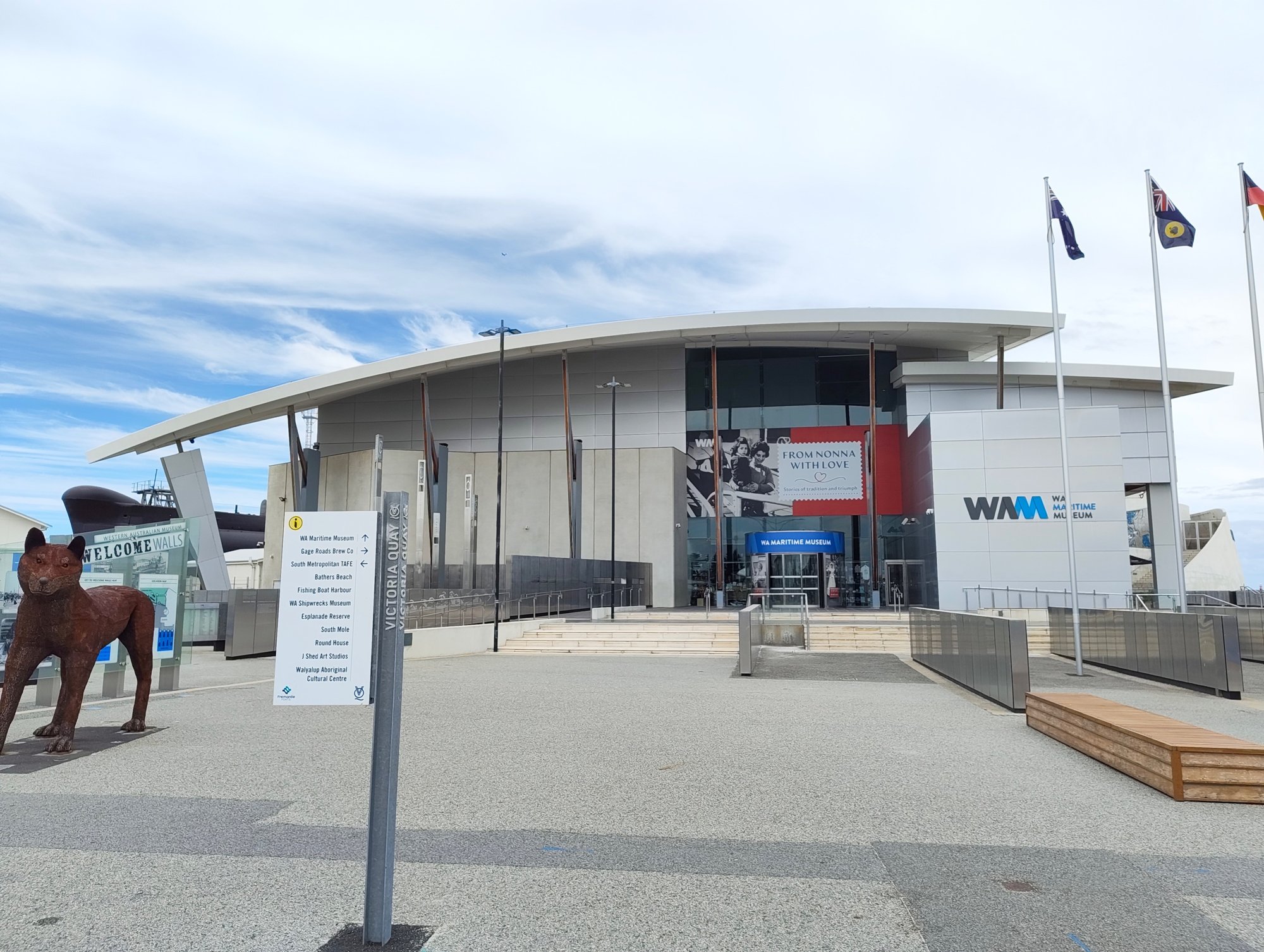
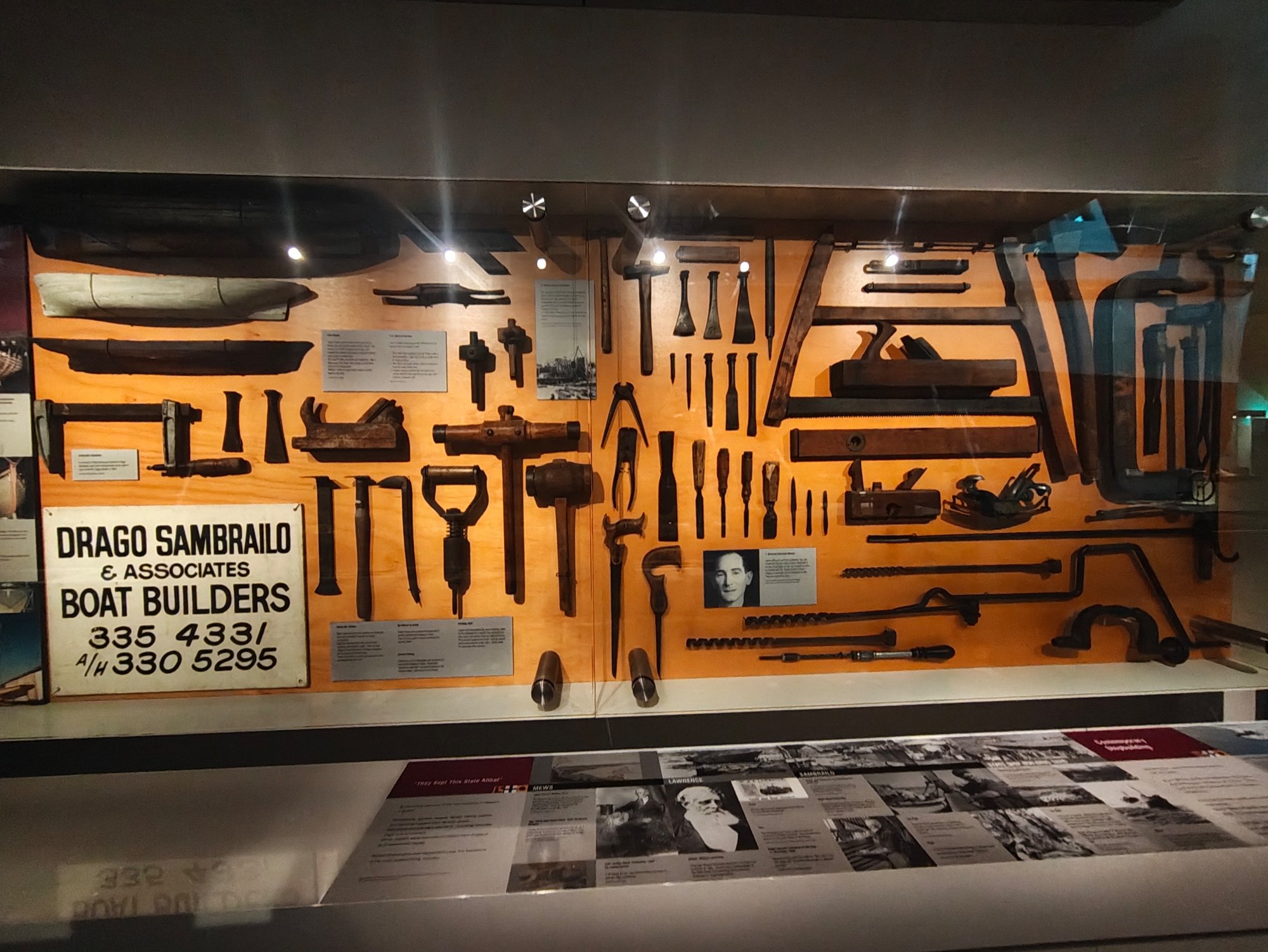
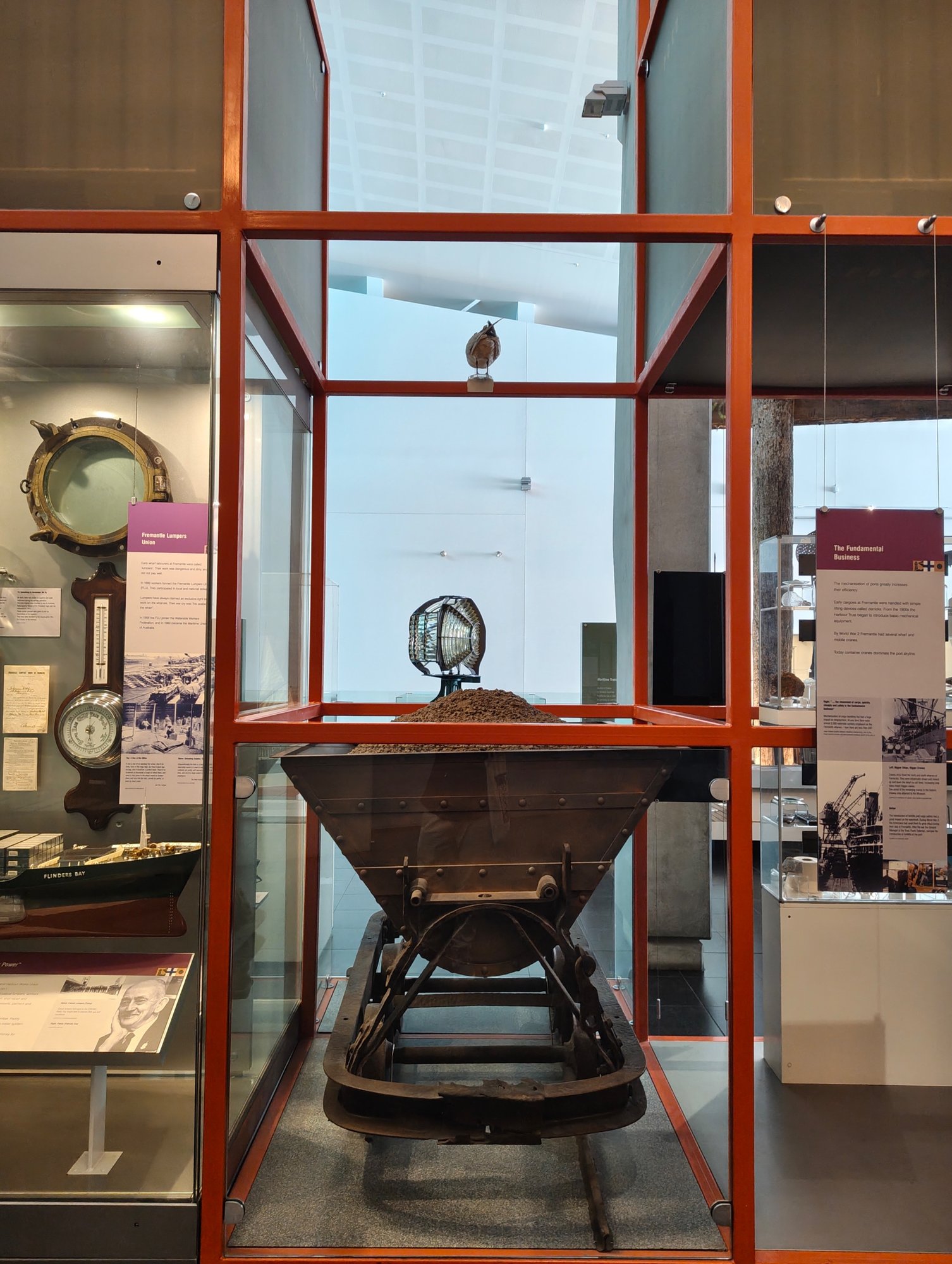
The Western Australian Maritime Museum can transport one back into the lives and times of sailors, merchants and families from centuries gone by. Photos: Anindya Sanyal.
Then came the bayside, and the highlight of my whole trip: the giant wheel. I climbed into a cabin and rose slowly above the water. As the wheel turned, the sky burned orange, pink and gold, and the harbour went quiet beneath me. It was, without any doubt, the best sunset I have ever seen. I had no one to talk to and nothing to say, and I think that's why it stayed with me.
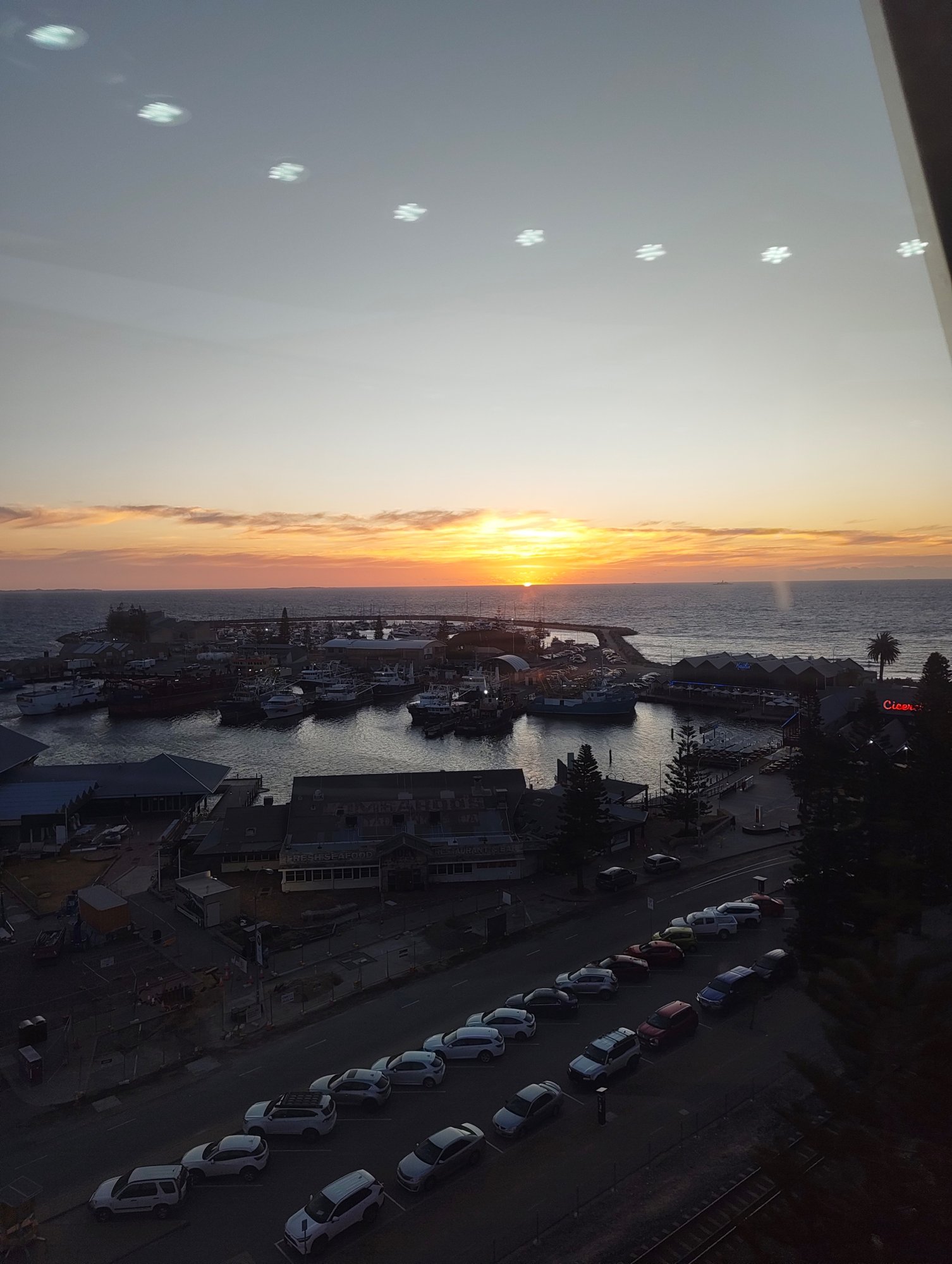
As the Giant Wheel turned, the sky burned orange, pink and gold, the best sunset I had ever seen. Photo: Anindya Sanyal.
My other favourite discovery was the University of Notre Dame Australia. I didn't expect a university to be a tourist attraction, but its campus is woven through Fremantle's West End, with classrooms housed in heritage buildings from the port's earlier days. Students walked past old stone walls on their way to lectures, and I found that beautiful. Rather than tearing the past down, Fremantle gave it a new purpose, much as Varanasi keeps its ancient ghats alive in everyday life.
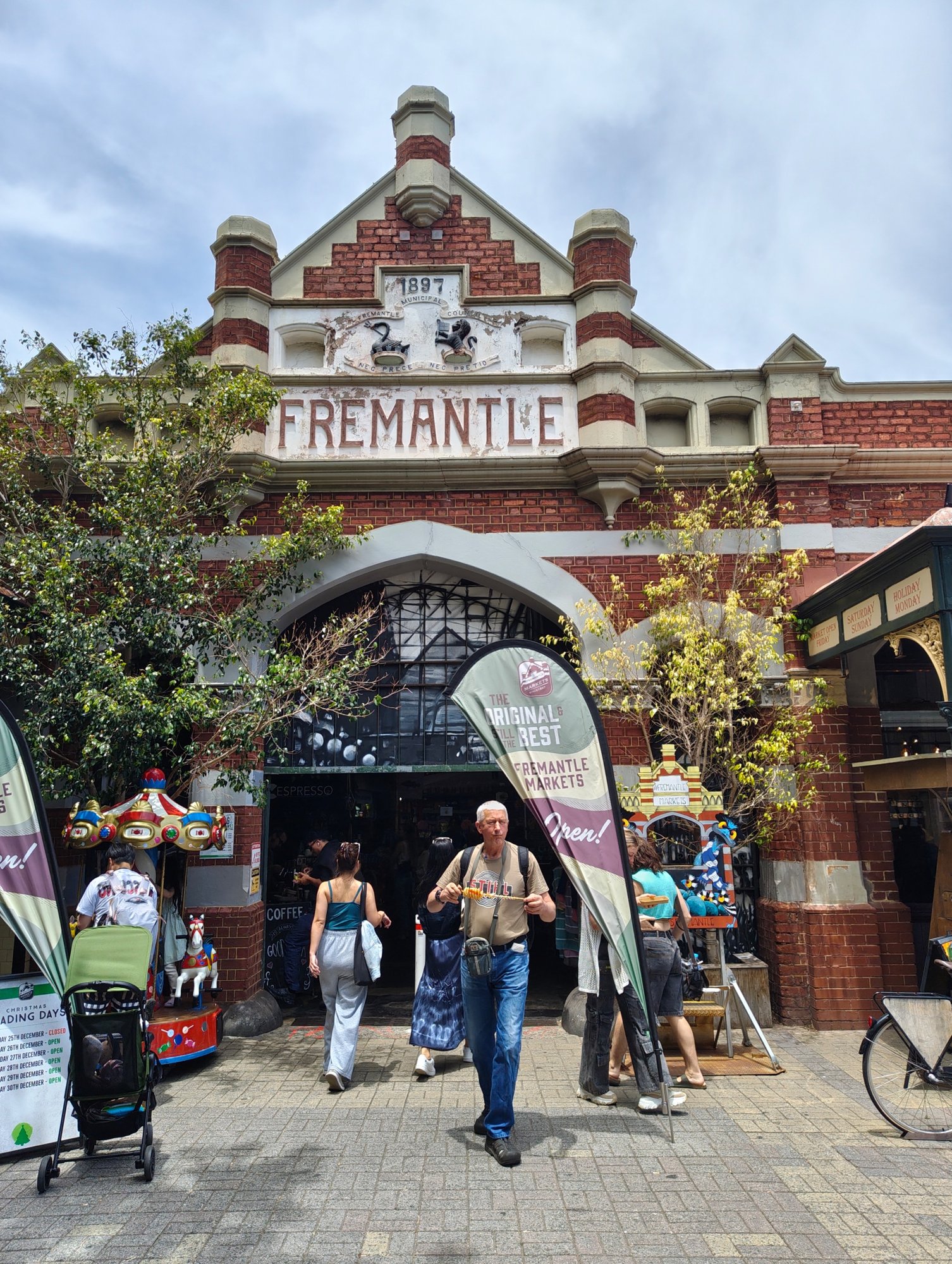
The Fremantle Market is as much a place of living history as an opportunity to browse. Photo: Anindya Sanyal.
When I think back on that trip, the presentation was only one part of it. What stayed with me was the laughter at the jail story, the hush of the Shipwreck Galleries, the solitary sunset from the wheel and the sight of young people studying inside buildings older than their grandparents' grandparents.
Fremantle taught me that a city's character comes from honesty about where it began, even when that beginning is a punishment house. If you ever find yourself in Perth, go. Bring comfortable shoes and a sense of humour, and don't forget to say hello to the jail.
(Anindya Sanyal is a Doctoral Researcher in Archaeology at the Banaras Hindu University, Varanasi. He has a Master of Arts degree in Ancient Indian History, Culture, and Archaeology, and works on field projects in rock art, human-faunal interactions, and ethnography.)